Beltane or Calan Mai?
By Daniel Butler, author and forager
May 1 has been a symbolic date for millennia. Originally a pagan recognition of the halfway point between the spring equinox and the longest day, it was celebrated as Beltane in Gaelic-speaking Britain (Ireland, Scotland and the Isle of Man). Later it became adopted as a ‘Worker’s’ holiday (and is celebrated as such every year on Moscow’s Red Square).
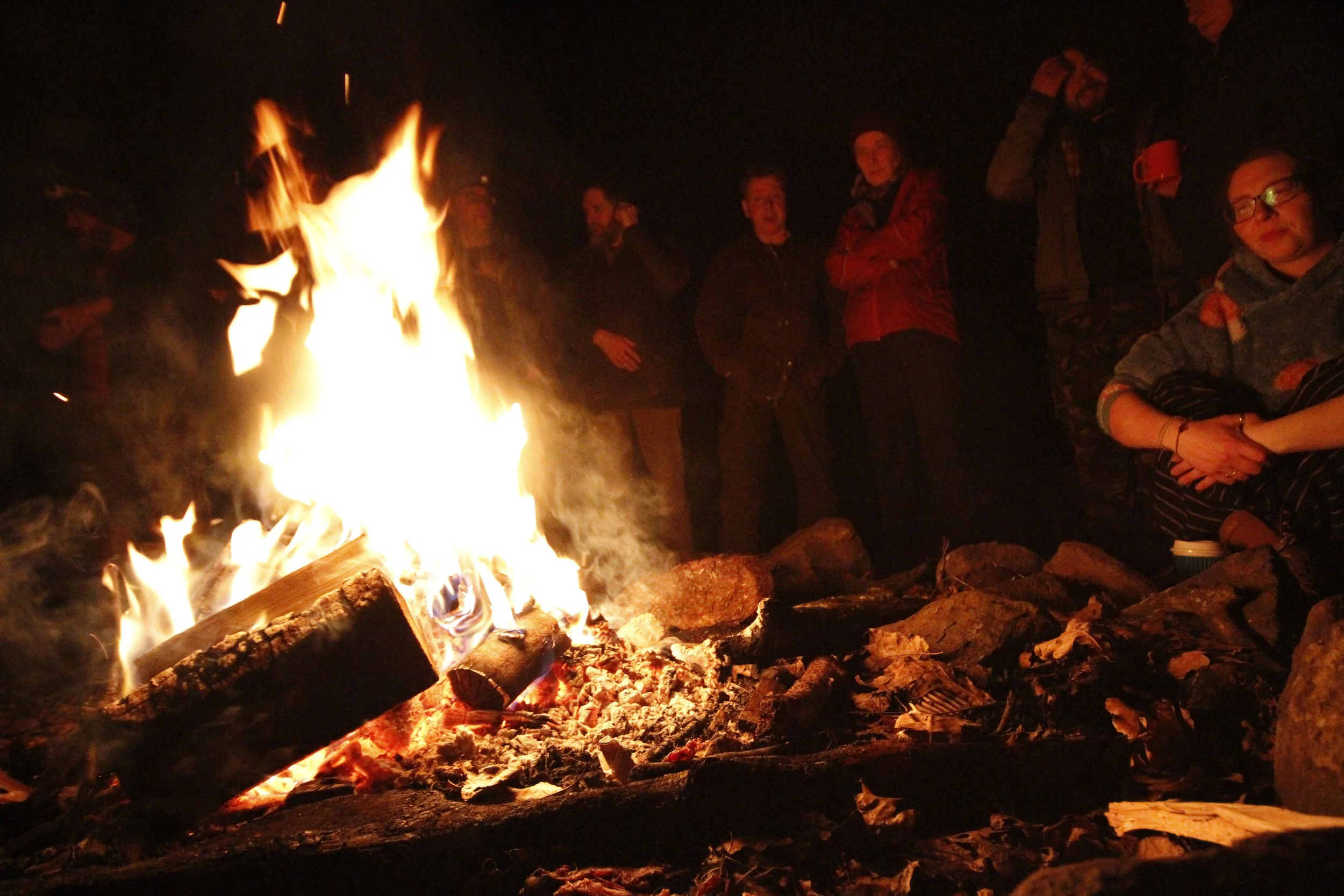
Celtic festivals to celebrate the arrival of summer usually involve fire
Picture: author’s own
Its pagan roots are still blatantly celebrated in some unlikely venues. Oxford has ostensibly been a Christian-dominated city for some 800 years, yet it puts on a distinctly different celebration at dawn every 1 May. Crowds gather on the High Street as choristers climb the steps to the top of Magdalen Tower to sing a 500 year-old dirty Middle English chant. After this, everyone rushes for the pubs which open at 6am.
In my youth (late 70s and early 80s) there were strict licensing hours and we were also much too young to buy alcohol. This all added to the appeal of illicit dawn drinking. So, we would stay up all night, jostle onto Magdalen Bridge to hear a barely audible choir, then pack into a crowded pub to get drunk before boarding the bus.
My most memorable year was 1981 when my 16 year-old brother, Gareth, passed out next to me in the Turf Tavern at about 7.30am. He couldn’t fall over because it was so full. A friend and I literally dragged him a mile back home. We just made it onto the bus – my parents were not amused to find a ‘corpse’ in the garage.
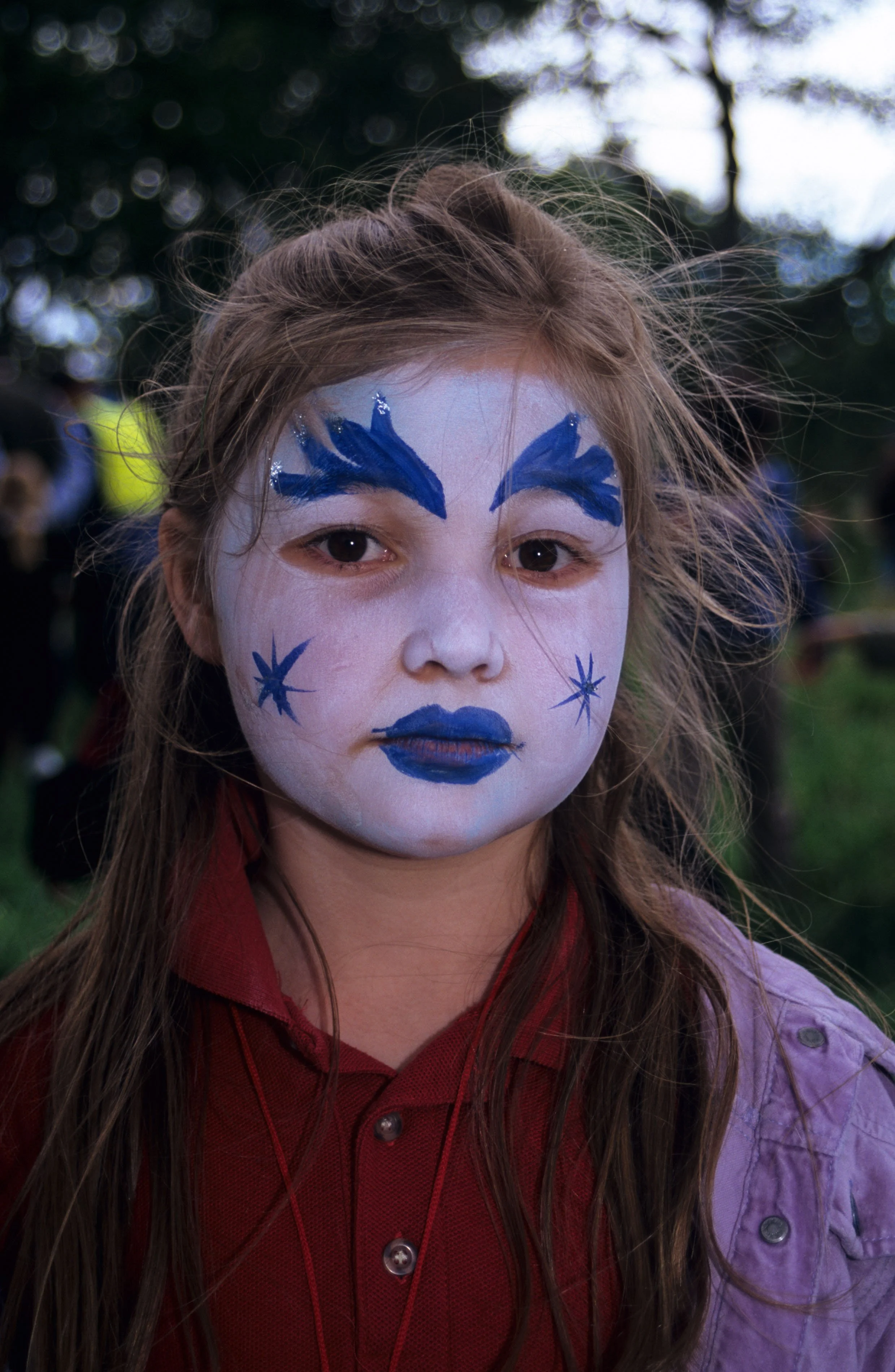
Many communities and groups put on their own versions of Calan Mai to this day
(Picture: Author’s own)
But that’s not the point of this blog. It is that yesterday and today have been celebrated in the Celtic regions of the British Isles for several millennia. Beltane ceremonies are best-known, but the Brythonic (southern) celts had their own version. In Wales it was Calan Mai/Haf (start of May/summer).
Both Beltane and Calan Mai celebrations tended to involve fire, drink, carol-singing and maypoles. Although the last of these is now most often associated with English celebrations, the first record of these comes from a village some 20 minutes drive from my Mid-Wales homestead. In the mid-14th century the poet Gryffydd ap Adda described the inhabitants of Llanidloes dancing around a tall birch pole.
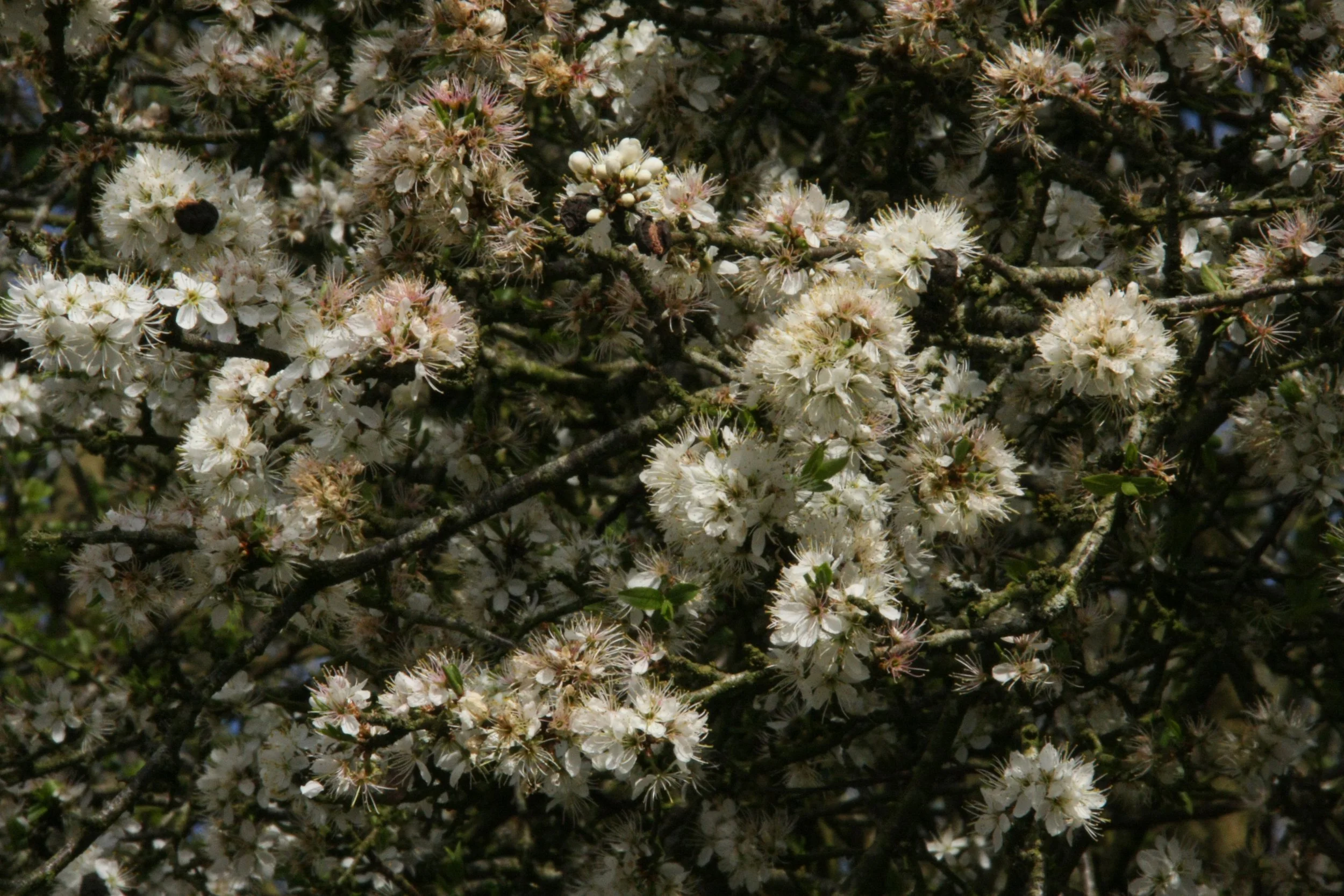
Blackthorn (sloe) blossom represented the end of winter
(Picture: author’s own)
Both Beltane and Calan Mai were clearly pagan in origin. The latter tended to be celebrated on 30 April – May Day Eve and like Halloween, it was linked to wandering spirits. Ceremonies varied from region to region, but would often involve symbolic fights between winter and summer. Naturally summer would win and afterwards a May Queen and King would be crowned. Many villages would also include rough games and communal dancing around a fiddler. The festivities were frowned on by the authorities – particularly after the Reformation – because they often degenerated into an orgy of drunkenness and lascivious behaviour thanks to enthusiastic consumption of mead, herb-flavoured honey wine (metheglin) and country wines such as rhubarb and elderberry.