Fanning the flames
By Daniel Butler: Author and forager
As the world lurches towards an abysmal global recession, we already face rocketing energy costs. Diesel has risen 20% over the past fortnight while the kerosene which heats my Pembrokeshire let has trebled since Christmas. This leaves me even more reliant on the ancient technology which has fuelled my huge 17th century Welsh farmhouse for the past 32 years.
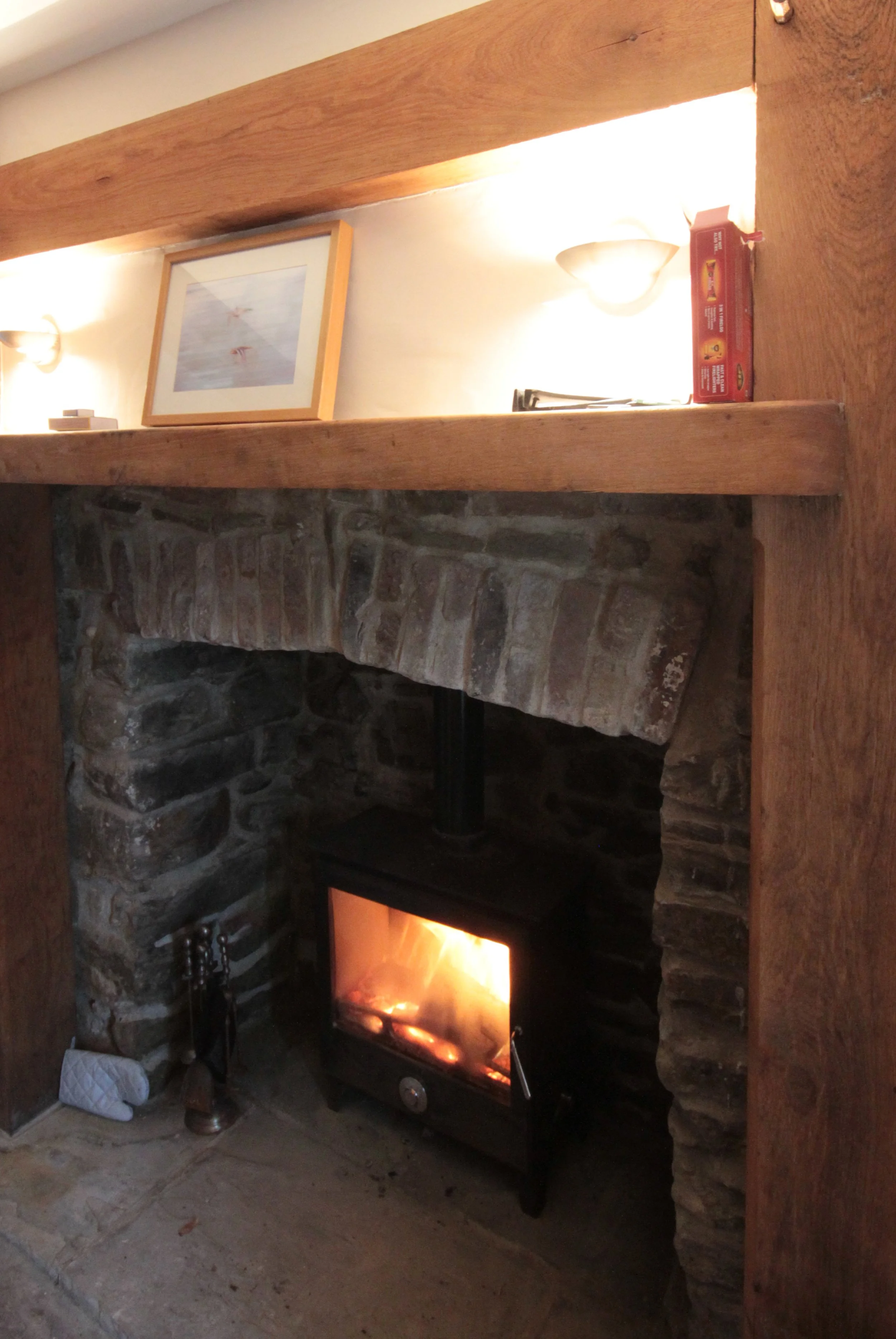
A woodburning stove to generate heat is increasingly appealing as oil prices rocket
(Picture: Author’s own)
Humans relied on fires for heat since the dawn of time. Certainly they could never have migrated north from Africa to colonise Europe and Asia were it not for using combustion to turn carbohydrates into heat.
Despite its antiquity, it seems modern Britons just don’t understand the process. Cities such as London ban its use in grates and stoves on pollution grounds, for example, while many people wrongly associate it with deforestation.
Wood’s poor reputation here stems almost entirely from inadequate drying. Burning wet wood produces smelly smokes and tars - but worse, it creates particulates. These are tiny carbon particles associated with cancers and respiratory problems. These are exacerbated when the fire is built on an inefficient Victorian grate in a narrow city street where air currents concentrate the particulates amid a bustling local community. The fires create little heat and far more pollution than the conventional gas and electricity alternatives.
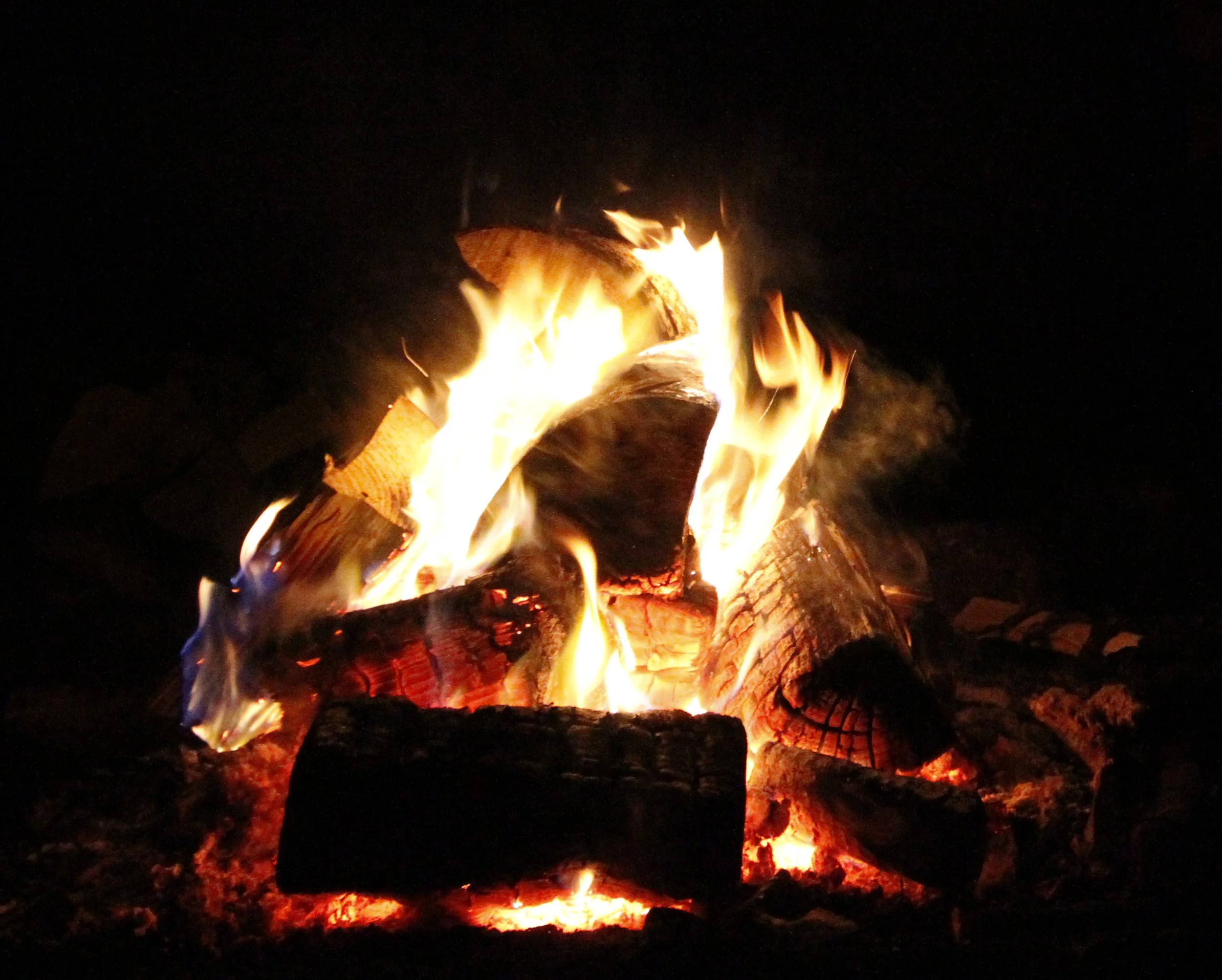
An open fire is very inefficient and produces smoke and particulates
(Picture: Author’s own)
Things are not so clear-cut in the countryside - indeed wood is often by far the best environmental option. Everything relies on seasoning. It needs cutting, splitting, stacking and storing. Firewood needs storage in the right conditions to mature. This means months under cover with decent air circulation to reduce its moisture content. This takes time and space - both of which are at a premium in cities. As a result, most wood burned in cities is very damp and much of the heat generated by the flames is needed to drive out the timber’s moisture. In turn this creates excess smoke and particulates. In contrast, dry wood burned in a modern stove generates very little pollution because the higher temperatures turn the carbon and tar into heat rather than particulates belched out of the flue.
Another widespread misunderstanding relates to the wood type. Hardwoods are generally thought to be superior to softwoods, but in reality there is almost no difference between their calorific content given an equal moisture content. Certainly softwoods burn faster and hotter than oak, ash or beech, but the final output is the same.
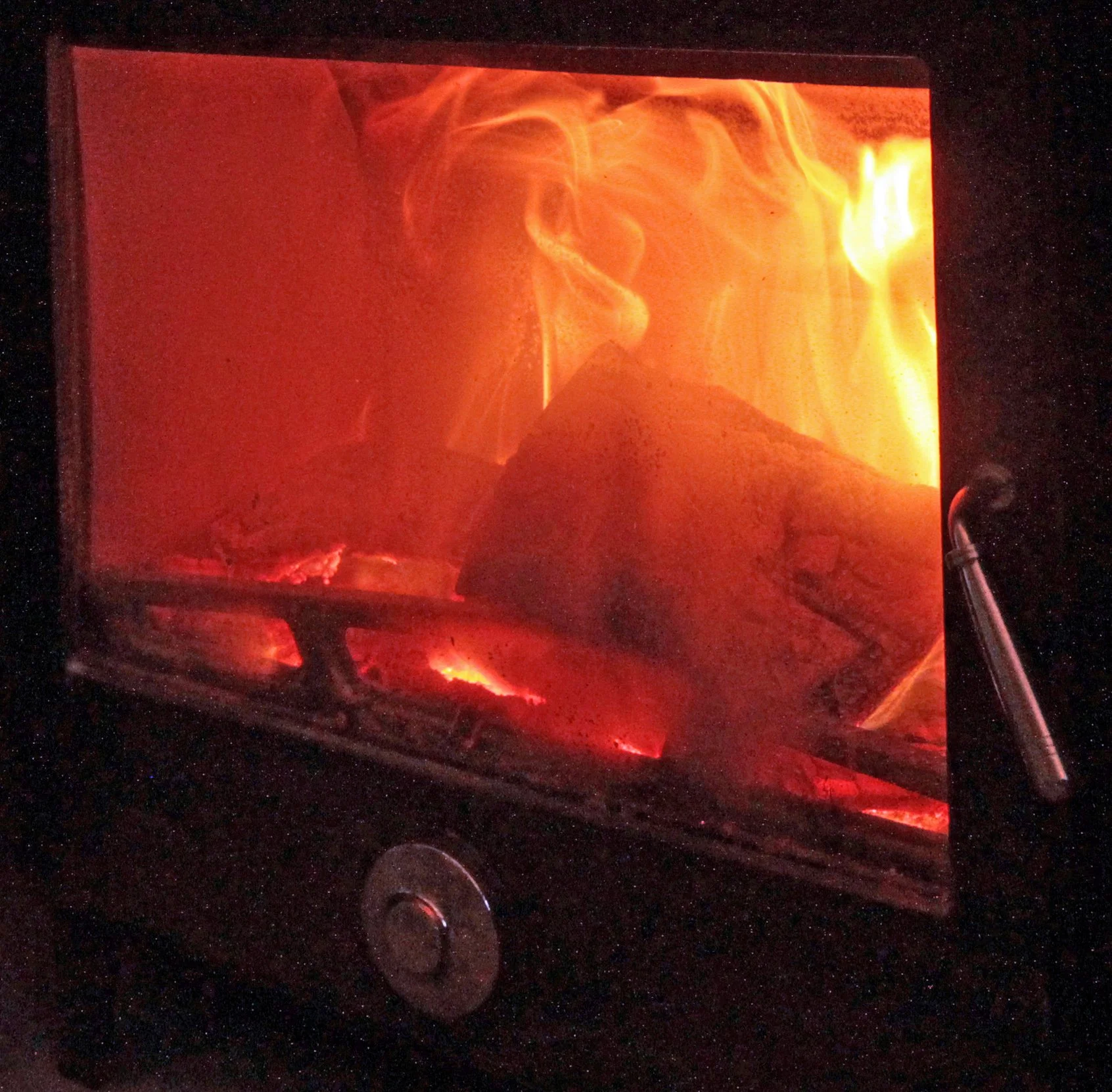
When burned at full-tilt, timber emits wood gas which ignites to raise the temperature/efficiency even higher
(Picture: Author’s own)
Anyway, to return to the original point. I estimate my Pembrokeshire fuel bill this year will be about £3000 for oil and £1,200 for electricity. My Radnorshire home – roughly twice the size – will cost £600 in wood and £1000 in electricity. In other words, powering the wood-fired home costs about a fifth per cubic metre than its conventionally-heated rival. Oh, and the second stove is fitted with a back-boiler which means I have almost limitless free hot water for eight months of the year.