New foliage
By Daniel Butler, author and forager
I’ve lived in Mid-Wales for 32 years, observing the passing of the seasons. There have been spectacularly wet winters, very hot summers and Arctic blasts. Every year is different and this year things seem particularly early with leaves bursting into life in mid-April: at least a fortnight early.
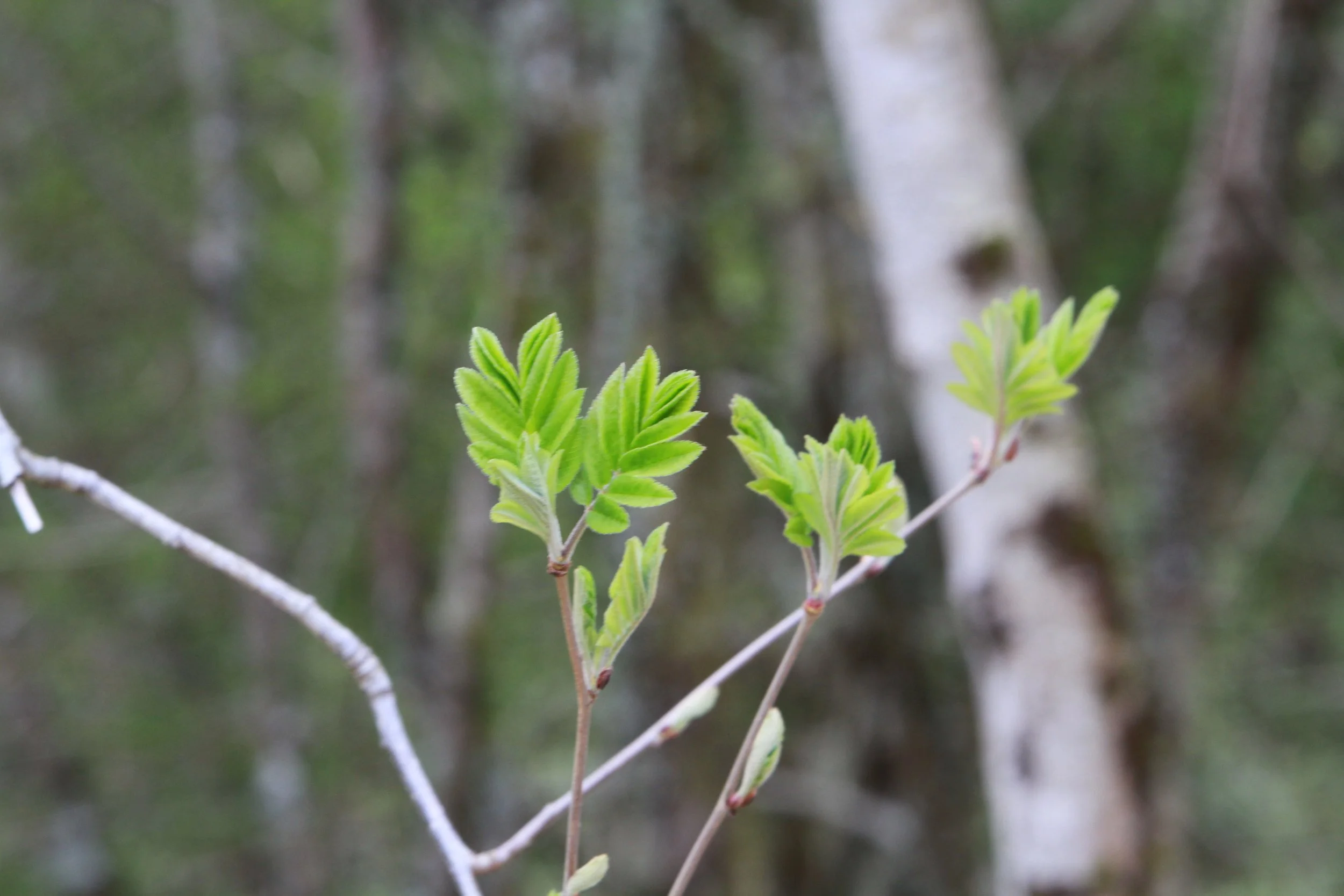
Ash leaves are emerging two months early this year
Picture: author’s own
As most people know, its arrival is supposed to predict the weather over the coming months:
If ash be out ‘fore the oak
Summer will be a soak
If oak be out ‘fore the ash
Summer will be but a splash
This is just one of many examples of natural indicators supposedly acting as long-range weather predictors. For example if frogspawn is bunched in the middle of a pond one can expect a dry summer, if it lies at the edge it will be wet.
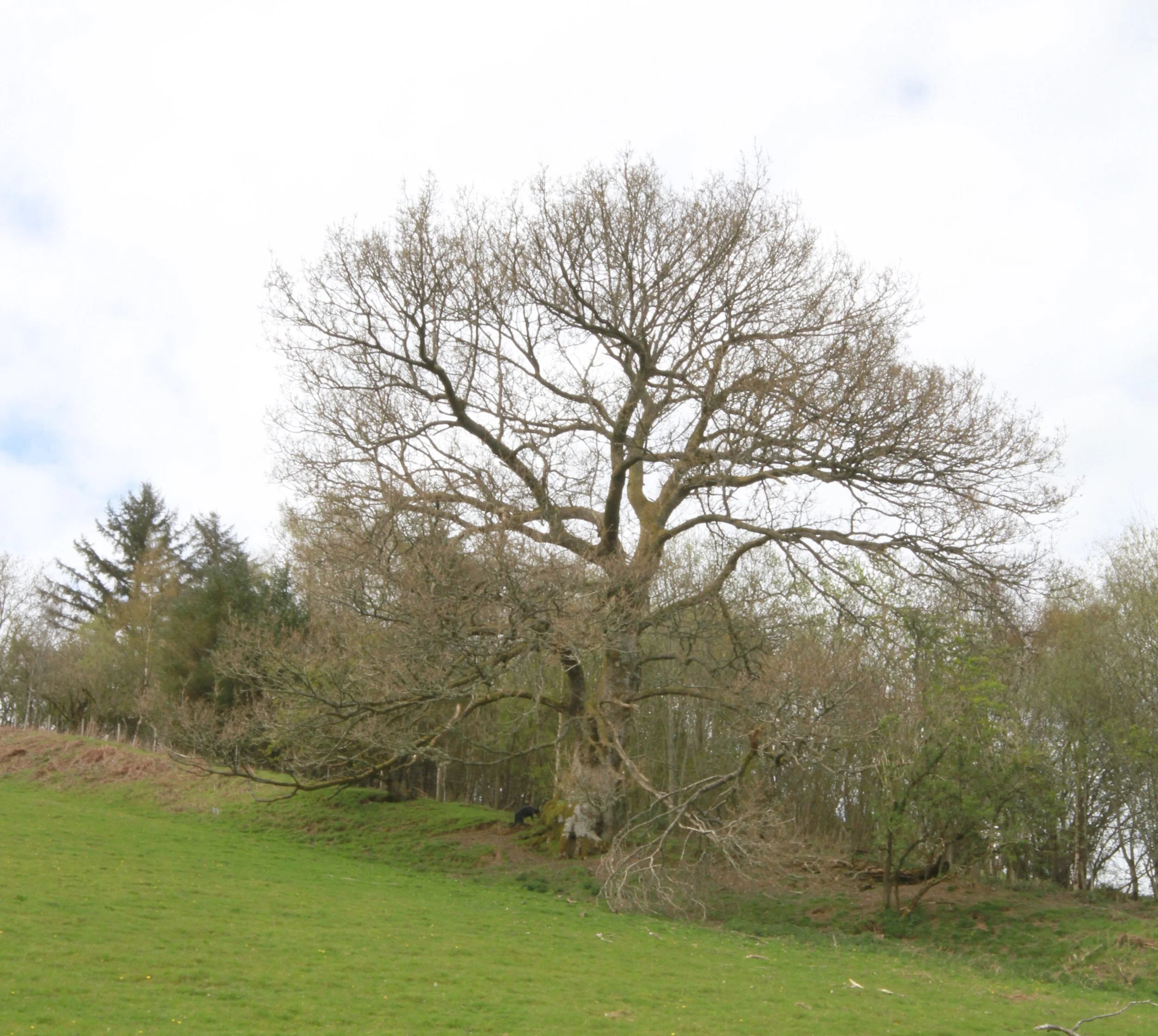
This year oaks are about a week behind the ashes - generally it is the other way around.
Picture: author’s own
It is tempting to believe that years of observation lend weight to this folklore. Unfortunately science doesn’t back this up. According to the Phenology Network, which collates data on natural phenomena, there is simply no link.
In contrast there is no shortage of evidence to show wildlife is incapable of accurate forecasting. Every year blue tits throw their efforts into rearing one huge brood of young, timed to hatch at the same time as the emergence of billions of caterpillars. This is a gamble because the latter event varies wildly depending on temperature and humidity. If ever a species could benefit from forecasting, this is it – yet they frequently lose their entire brood to starvation.
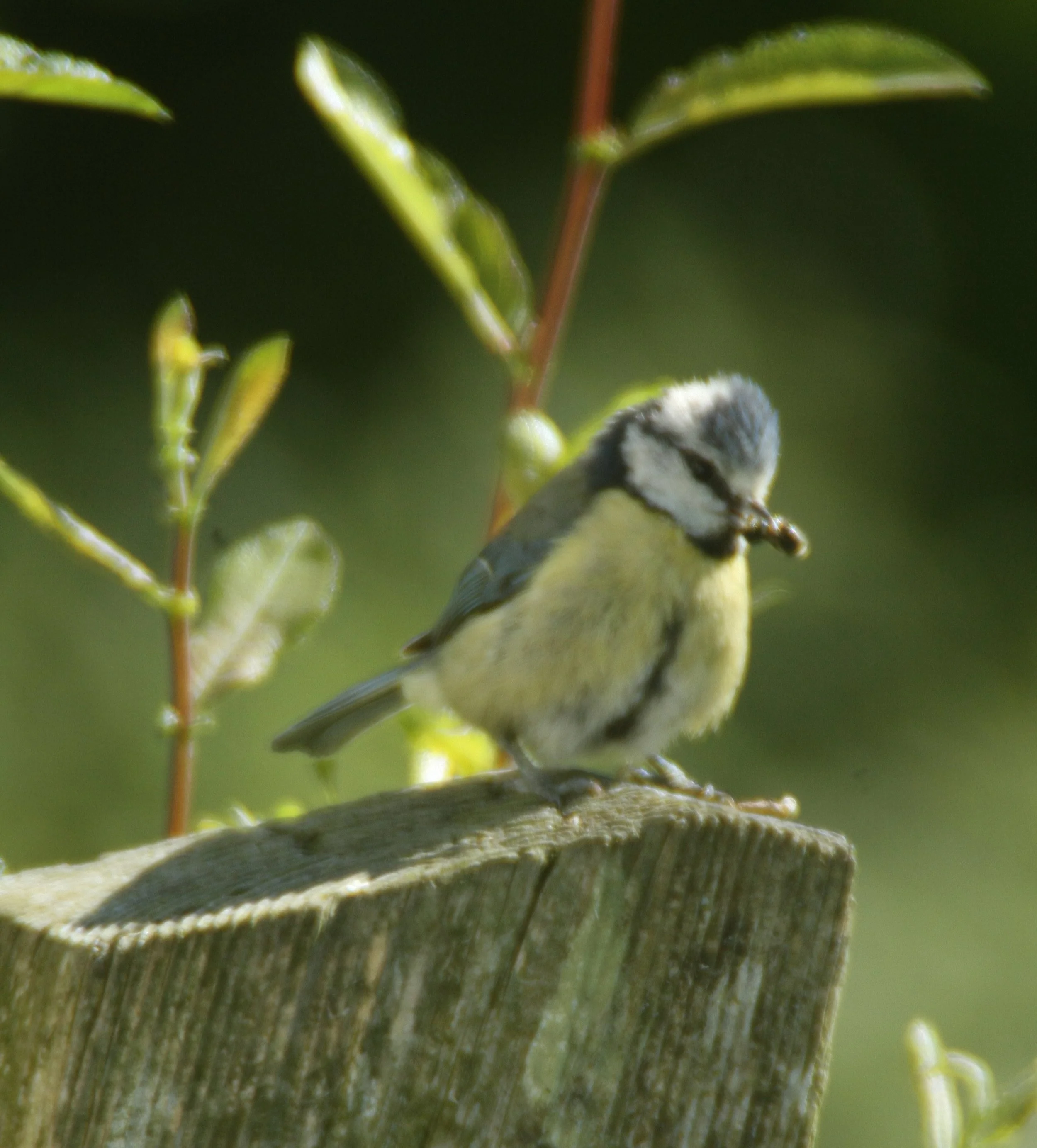
Blue tits can have disastrous breeding seasons when they fail to predict the weather
Picture: author’s own
This is not to say natural forecasting is impossible. Many flowers close up before rain, while cows lie down and swifts disappear. Swallows traditionally hunt low in bad weather, but high in fine: while bees return to the hive before a downpour. Experiments confirm there is a scientific basis to such phenomena, but only in the short-term.
Many plants and creatures are much better at detecting barometric pressure or humidity than man. The flowers detect increased humidity, for example, the cows detect changes in in air pressure while swifts fly over or around an approaching front, abandoning their nest as their go into a form of suspended animation. Bees return to the shelter of the hive when they detect the pressure changes prior to a storm, while swallows are responding to their prey. On a hot day meadow insects are lifted higher into the air by the convection currents rising from the warm fields, while on cooler days they fly lower down.
But if plants and animals are incapable of long-term weather predictions, their behaviour is still important. The observations of amateur naturalists and gardeners give an important insight into long-term climate change.
The data shows the weather has got appreciably milder over the past century: great tits nest half a day earlier each decade; while blackcaps and red admirals, now occasionally overwinter here rather than flee the winter cold.