Venison
By Daniel Butler, Author and foraging guide
For many centuries deer meat - or venison to give it its Mediaeval French name - was the pinnacle of British foodstuffs. It was ranked higher than beef, mutton or pork. One might argue that swan, peacock and wild boar could have given roe and fallow a run for their money at high table, but venison was generally the top protein source for the wealthy. The reason for this is down not only to its quality, but because thanks to status and privelege. The Norman Forest Laws confined the rights to hunt and kill deer to the king and his trusted noble henchmen. Anyone of lower status who dared to kill one faced death or legally-sanctioned mutilation.
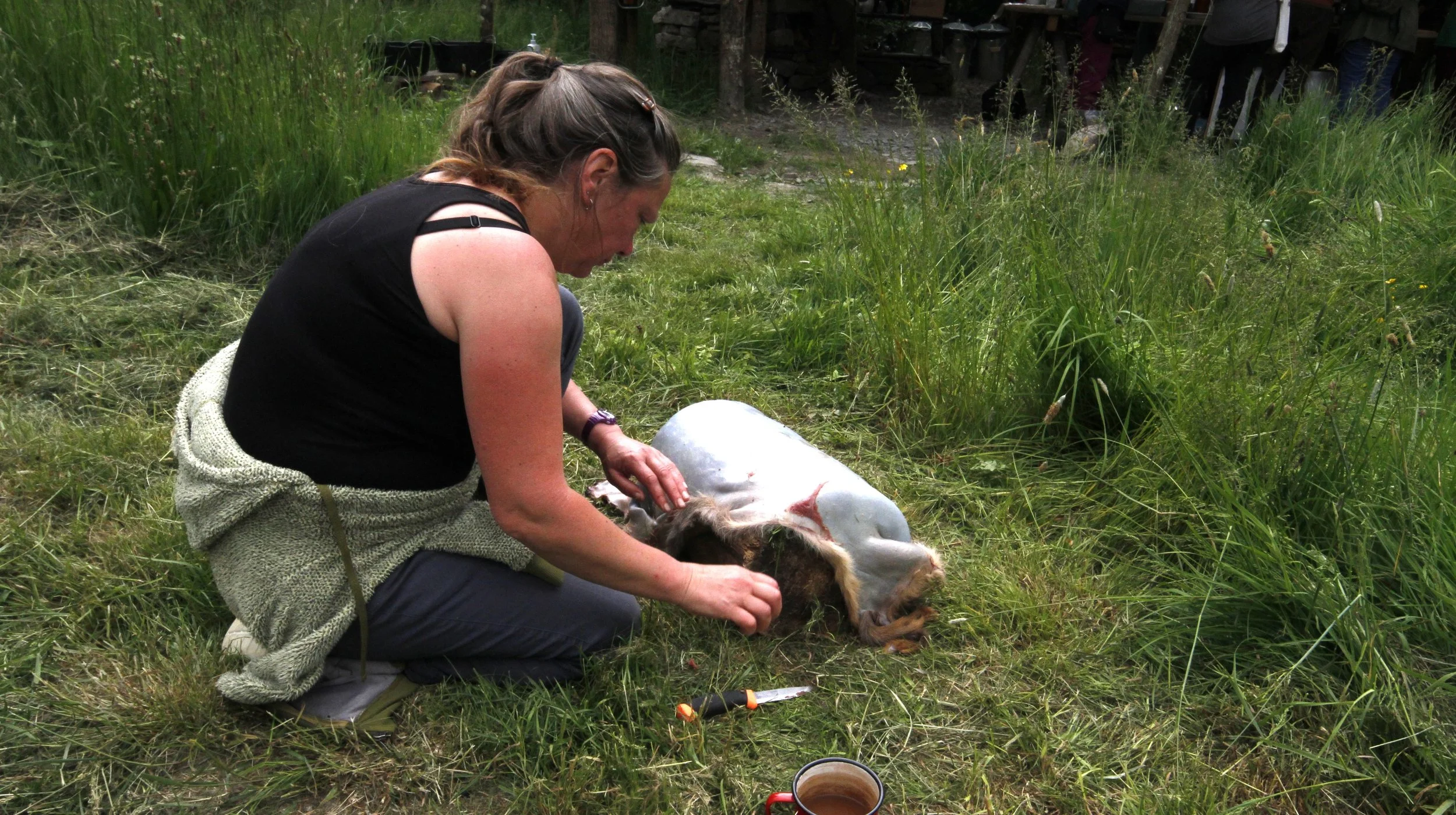
Venison used to be confined to the rich - today it is one of the cheapest prime meats
Picture: Author’s own
Thanks in large part to their conveying high status to the aristocracy, deer were heavily hunted during the Middle Ages and their numbers were also kept in check by wolves and boar. By Tudor times, the three British deer species then living here (red, roe and fallow) were confined to relatively small localised populations. Numbers began to recover slowly as Britain industrialised and were boosted further when the Victorians discovered the joys of stalking and reintroduced German roe deer to the Midlands. These spread north along the Pennines to connect with their Scottish counterparts. At the same time, other hunters introduced Japanese sikas to boost the red deer population (the two can interbreed which has led to concerns about hybridisation). Around a century ago two more species, the muntjac and Chinese water deer were accidentally introduced to East Anglia and Shropshire as escapees from private collections.
In the absence of wild predators and the difficulties of shooting high velocity rifles in an increasingly crowded modern Britain, deer numbers have rocketed. This has led to some interesting facts and created tricky issues.
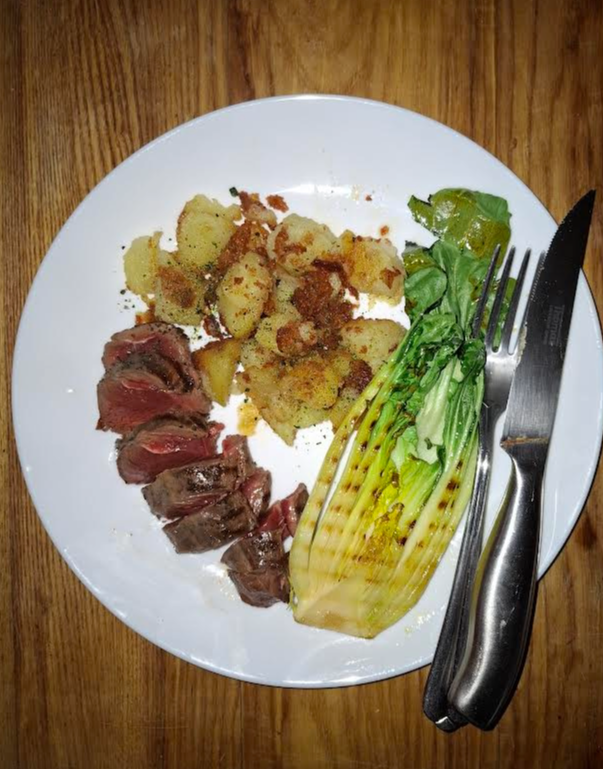
Venison has almost no fat - so it needs to be served pink
Picture: Author’s own
The first is that Britain now has its highest deer population since the last Ice Age. About 30% of the global Chinese water deer population now lives here (mainly in East Anglia and Shropshire). The Scottish red deer population is causing major problems with ‘rewilding’ projects (they are particularly damaging to natural forestry regeneration schemes. Muntjac can devastate the understorey in hazel coppices and roe are major agricultural pests across much of Southern England.
Perhaps the most significant problem, however, comes from collisions with vehicles. Hitting a 40kg roe at 80kpm is no joke for either deer or driver - and an estimated 50% of such collisions are within 100km of London.
One answer to the issues is, of course, to eat as much venison as possible. This delicious red meat is nearly fat-free and as organic and free-range as you can get. It can also be extremely cheap. I buy mine as whole carcasses from a Shropshire stalker at £1 per lb. After skinning, jointing and boning this works out as under £2 per lb in the freezer.