Barn owl
By Daniel Butler, author and forager
The barn owl is surely our favourite nocturnal bird: stunningly beautiful and indelibly associated with wisdom and white witchcraft. Yet it has undergone a dramatic decline in numbers over the past 80 years. When they were first counted in the ‘30s there were around 12,000 pairs, but 30 years ago there were just 3,800.
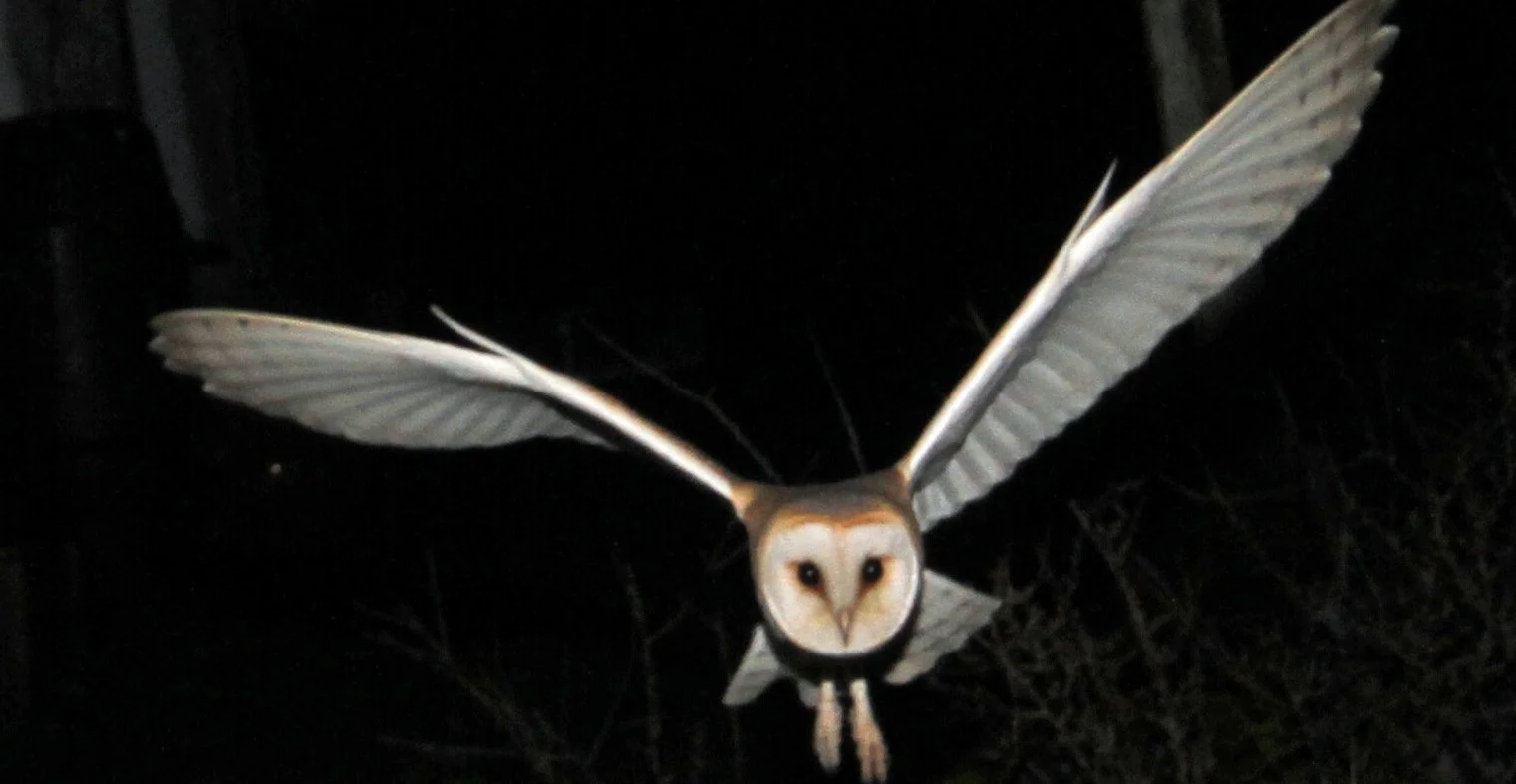
Barn owls may be comparatively large and pale, but they are surprisingly elusive
Picture: author’s own
At first glance this sounds depressingly familiar – yet another farmland bird in trouble. Yet actually the news is far from grim: we now understand the causes for its decline and have discovered these are comparatively easy to rectify.
The main problems are linked to agricultural change. The owls’ favourite hunting ground is rough pasture and huge swathes of this have vanished. Then came the DDT disaster of the ‘50s and ‘60s when pesticides built up in the food chain and devastating the owls’ breeding success.
Mechanisation has also seen the widespread loss of the traditional farm buildings where they love to nest. Many have been demolished, but more have been lost to conversions. Meanwhile, the natural alternative – big hollow trees – have also declined in numbers thanks to Dutch elm disease and worries about insurance claims.
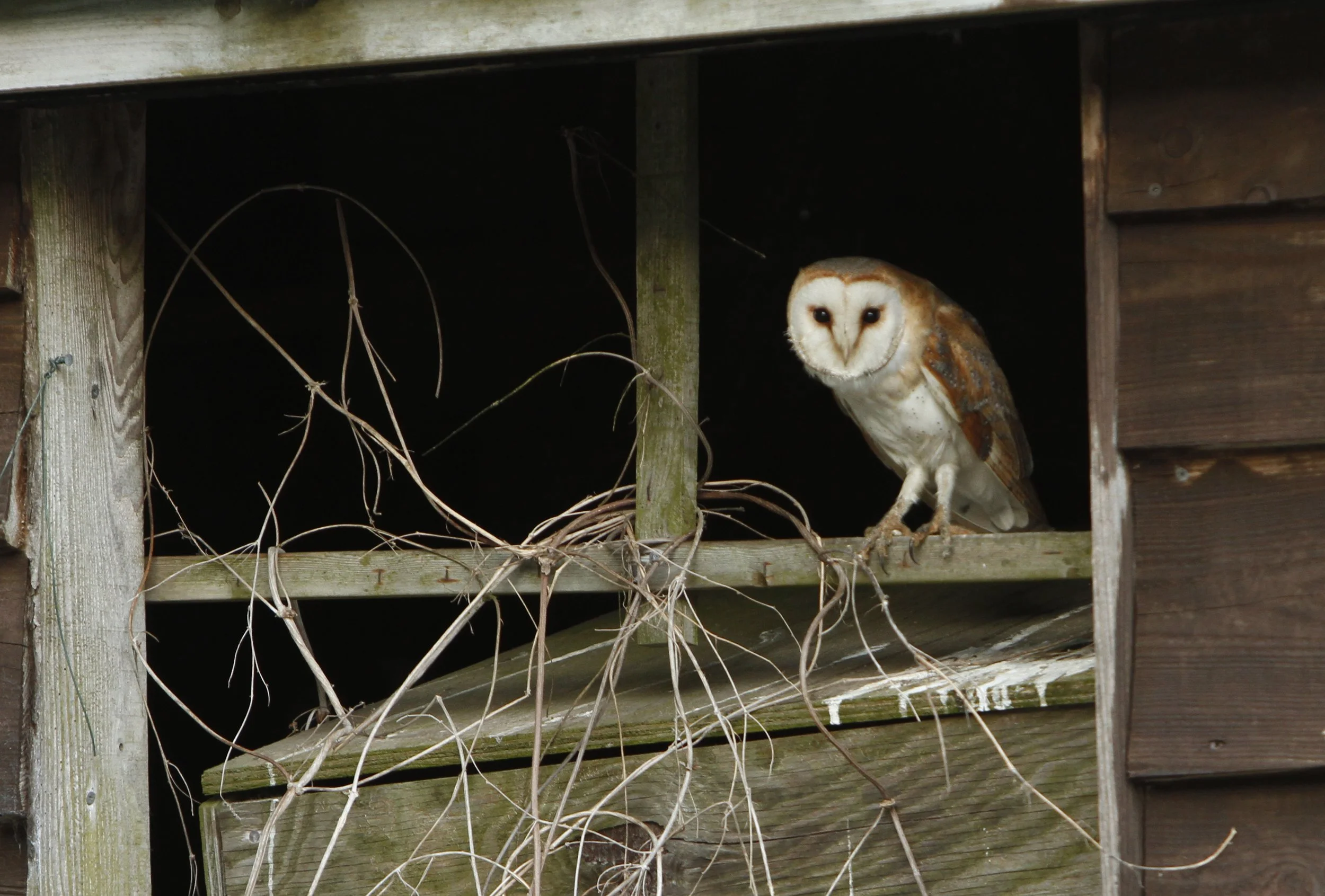
The conversion of many traditional farm buildings has deprived them of nest sites
Picture: author’s own
The car is another problem: motorway verges teem with small rodents. This is great news for kestrels which hover and then drop, but barn owls hunt by quartering a few feet off the ground. It is difficult to think of a worse stratagem near a major road. Engine noise is also a threat: the owls are very vocal, communicating with low frequency grunts and busy roads drown out their calls.
The final pressure is weather-related. These are naturally Mediterranean hunters and Britain is at the limit of their range. Thus they are most at home in the South East and even here, severe cold and wet can affect them badly.
All this led to an apparently inexorable decline during the last century and by the 1990s some pessimists were predicting their extinction by 2050. Fortunately there is actually plenty of hope. Changes in farm subsidies and environmental grants mean much farmland is improving from the owl’s perspective. Reduced chemical use, less intensive grazing, beetle banks and the boom in organic farming have all added to the available habitat. Perhaps even more important are the various nest box schemes promoted by organisations such as The Hawk and Owl Trust. These fasten tea chest-sized boxes to isolated trees or the sheltered exteriors of farm buildings and the success of such projects has amazed even its backers.
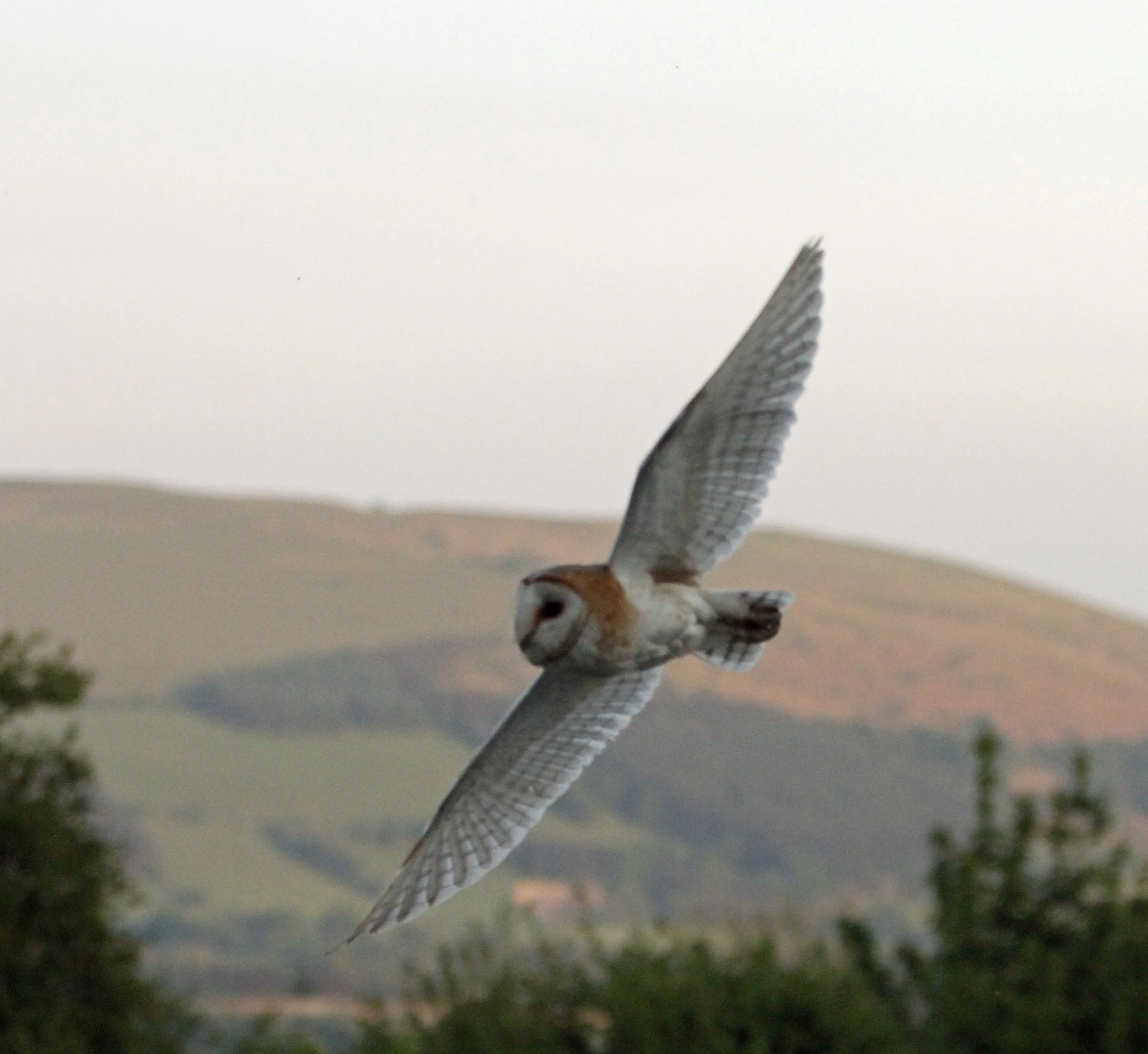
They are a crepuscular species - most active at dawn and dusk
Picture: author’s own
By 2000 researchers were detecting an increase in numbers and when the Hawk and Owl Trust surveyed its 1,000 boxes, it found 85% showed signs of use. Better still, these seem to boost double-clutching. Unlike most raptors, barn owls will readily lay again when food supplies are good. This urge is often hampered because of the young’s long dependency period (a month’s incubation followed by nine weeks before fledging). Providing a second nest near the first allows the female to lay again while her mate finishes rearing the first brood.
The final cause for optimism is that despite being relatively large and very pale bird, they are surprisingly shy and elusive. This means healthy populations can often go unnoticed. The latest estimates of numbers by the British Trust for Ornithology suggest their numbers more than trebled between 1995 and 2024, putting numbers at around 12,000 pairs.
As a result, the best way to check for their presence is not to look for them, but to visit suitable nest sites after dark to listen for the young’s unmistakeable calls. So take advantage of a warm summer’s eve to wander local lanes at dusk, ears peeled for the strange snoring, farting, hissing calls of hungry owlets.