Hairy bittercress
By Daniel Butler, author and forager
Cardamine hirsuta is a member of the brassica family and one of the commonest and earliest of garden weeds to emerge in spring. It is also one of the most over-looked ways to spice up a March green salad.
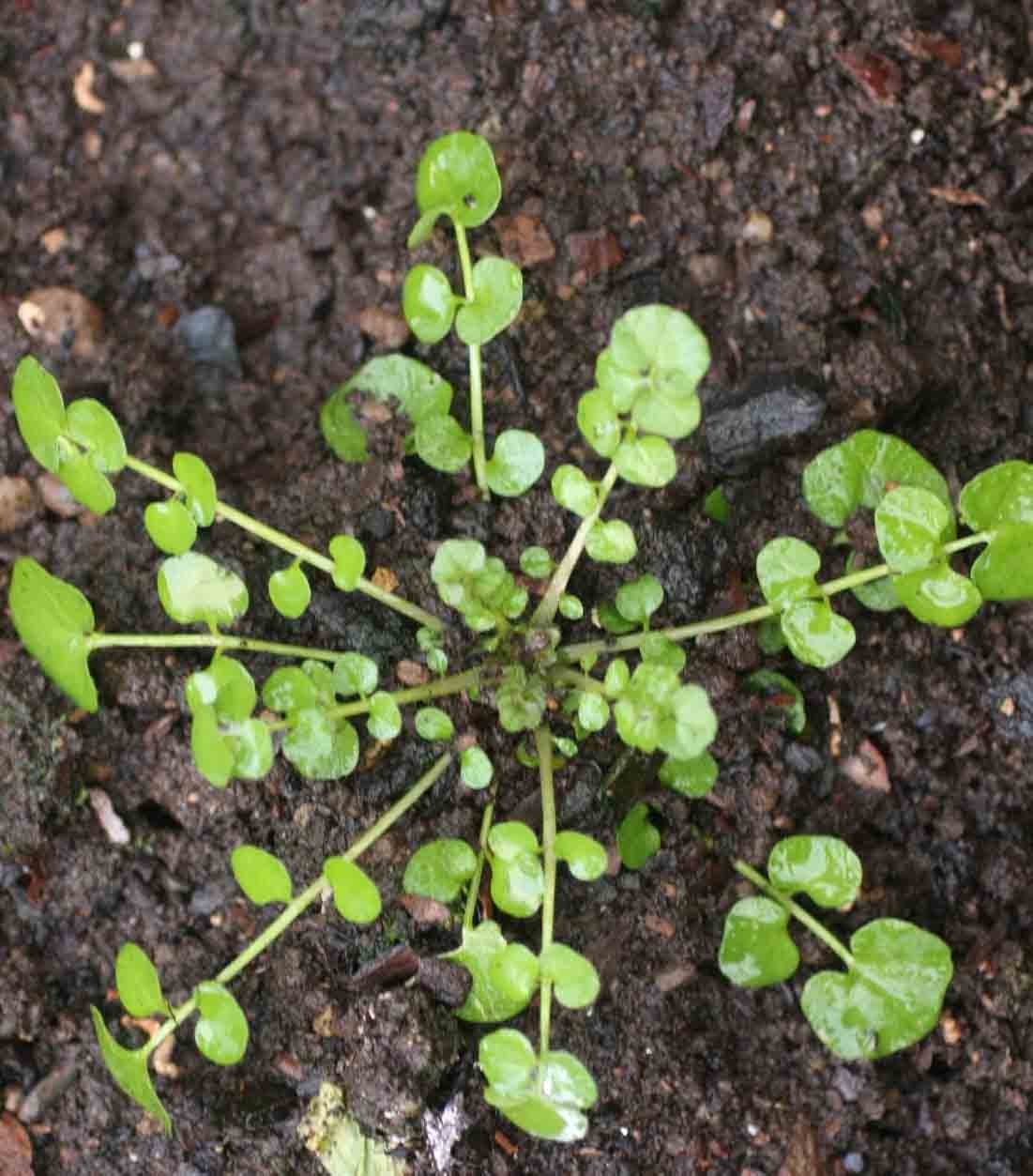
Hairy bittercress is one of the earliest plants to emerge in bare soil in early spring
(Picture: author’s own)
It’s common name, hairy bittercress, may play a large part in its lack of popularity. Were it a cultivated vegetable, it would be difficult to think of a worse marketing label. In reality, however, it is grossly misleading for it is neither hairy, nor bitter. Instead, bear in mind the ‘cress’ part of its name. It is closely related to cultivated cress and mustard and tastes very similar with a mild peppery flavour.
All parts of the plant are edible, although most interest centres on the leaves, seeds and roots. The first have a gentle spicy tang - very similar to cultivated cress - and are frequently added to salads in Eastern Europe and the Caucasus. The seeds, meanwhile, can be used to make a mustard substitute. The long taproot from mature plants can be peeled, grated and mixed with vinegar to make a milder version of horseradish sauce.
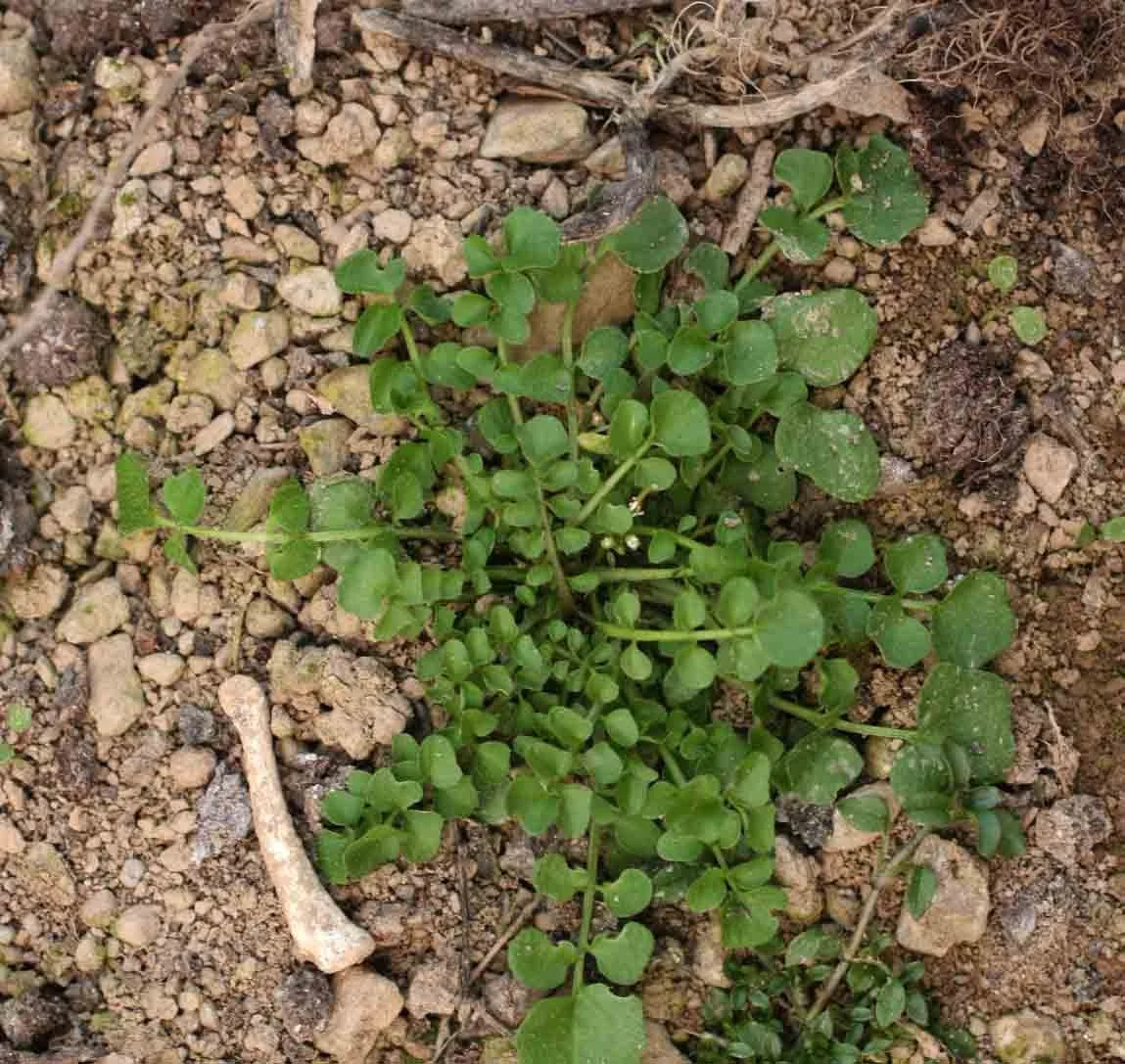
Another reason to investigate the gastronomic qualities of this ubiquitous annual is that it emerges at the height of the ‘hungry gap’ - early spring when most plants are still dormant. Finding it is generally easy - just go to any patch of bare ground or look in the cracks between paving slabs on a patio. Normally gardeners treat it as just another weed to be pulled out and tossed on the compost heap. Instead, try nibbling the leaves to sample its pleasant, mild, peppery qualities.