Invisible fungi in everyday life
By Daniel Butler, author and forager
Most people fail to realise how much of our everyday lives centre around fungi. Yes, of course, there are the yeasts needed to produce bread and alcohol, but their influence in our homes stretches far beyond these everyday staples.
As any schoolchild should know, enzymes are a vital part of animal life. These are the organic catalysts which break big molecules into smaller components which are easier to use. For example our saliva contains amylase which breaks starch down into shorter-chain sugars. Lest you’ve forgotten, try putting a tiny sliver of raw potato in your mouth – after a minute or two it will begin to sweeten).
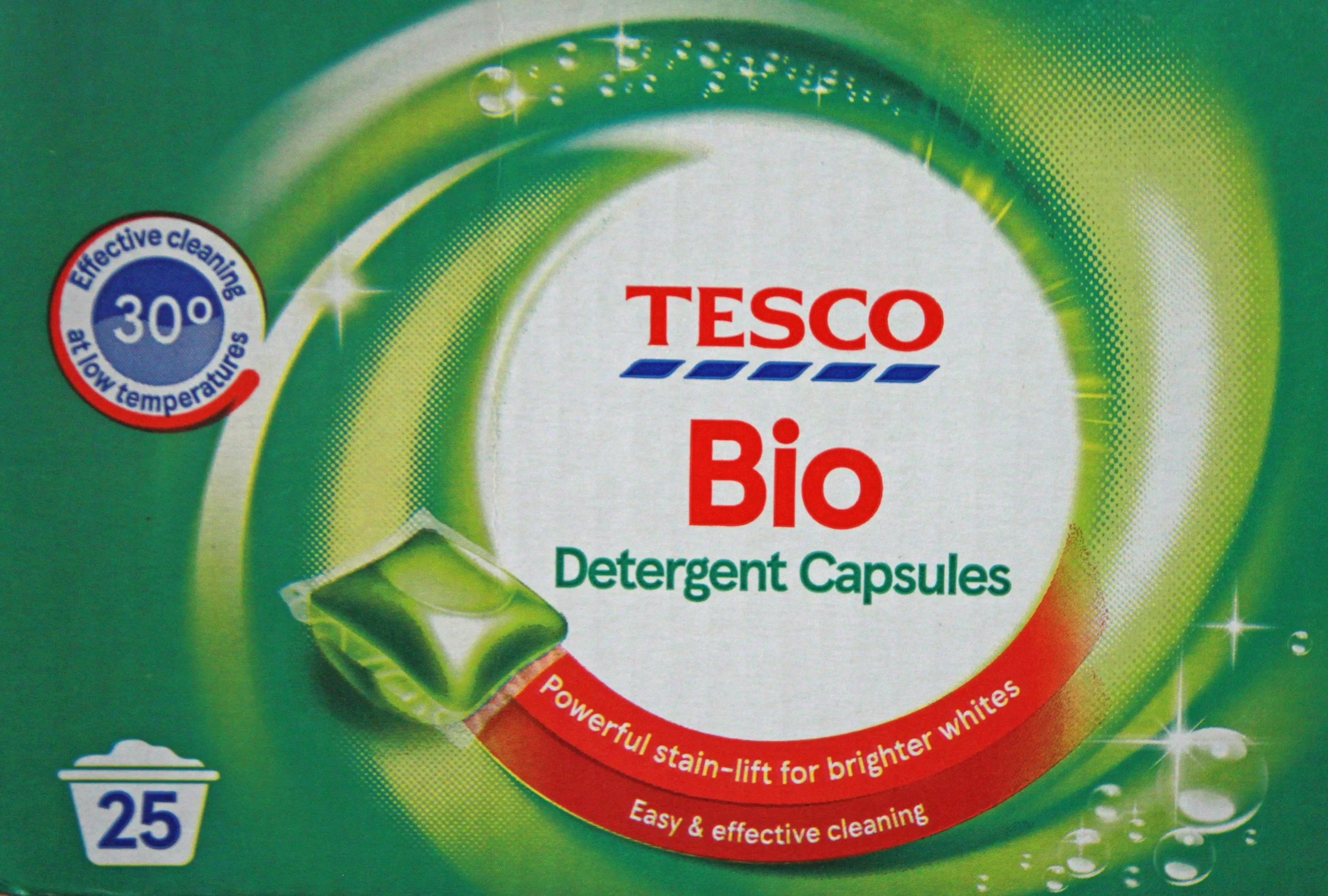
Fungi are an integral component in many modern products
(Picture: Author’s own)
These days they have a huge range of industrial uses too: notably in detergents. Modern ‘biological’ washing agents contain several enzymes which are used to break down stains such as oil, starch and dyes. These are produced by isolating the relevant genes from fungi, brewing these in huge tanks, and then adding the results to the detergent.
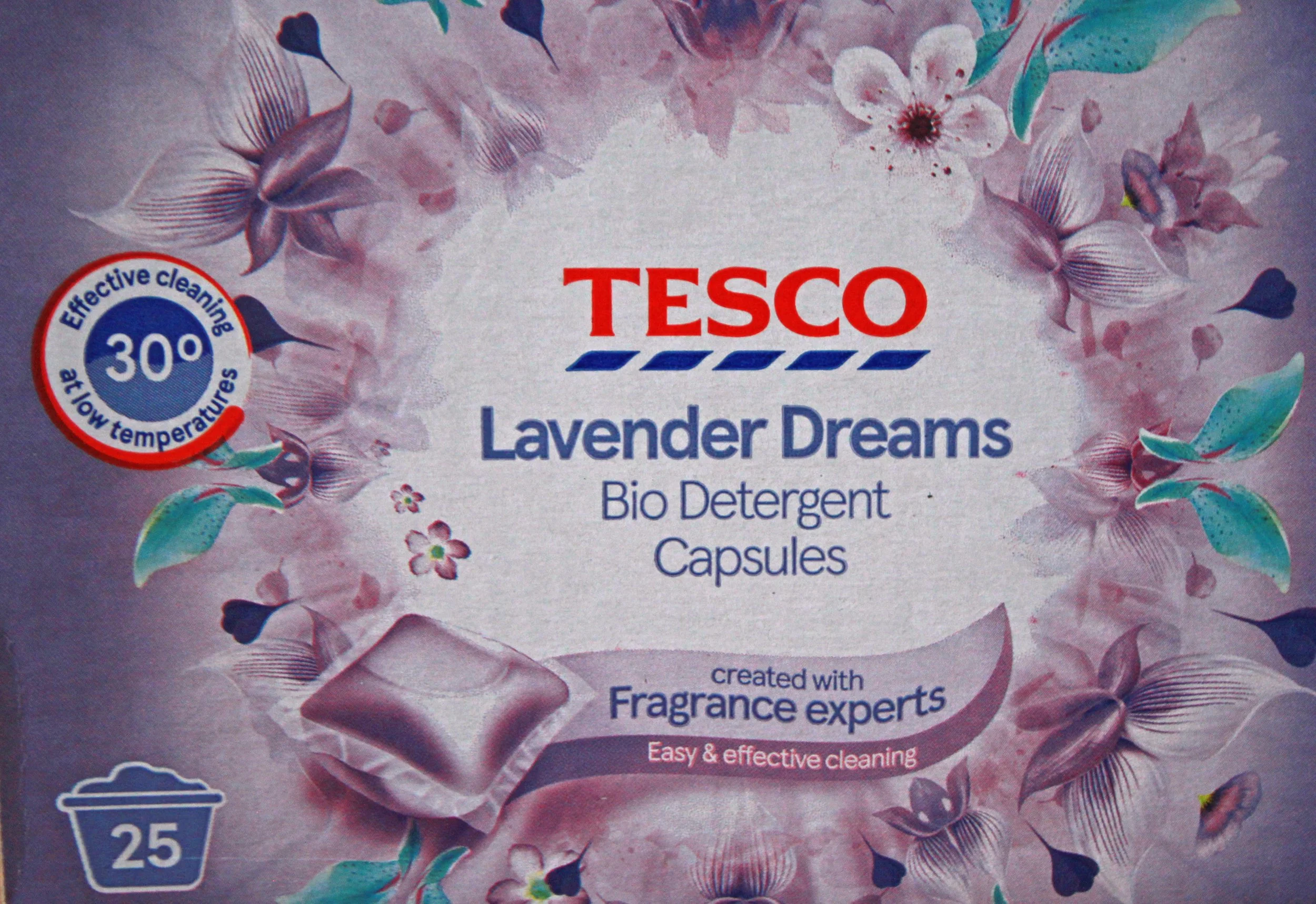
Any problems with sensitivity to ‘bio’ products are usually down to the lasting fragrances
(Picture: Author’s own)
Now many people are wrongly prejudiced against ‘bio’ powders, believing they cause allergies, particularly among young babies. This is almost always false. The enzymes are very soluble and are designed to be completely washed out in a normal machine cycle. Any excema problems stem not from the ‘bio’ element, but from the petrochemicals used to perfume cheap brands which are specifically designed not to be washed out.
The mushroom-manufactured enzymes which actually do the work are also sensitive, so need low temperatures and time to work. This is why washing machine and dishwasher ‘eco-cycles’ take longer, but despite this use less energy than shorter, hotter, cycles.