Ramsoms
By Daniel Butler: Author and forager
While waiting for the arrival of significant numbers of really edible mushrooms, it is well worth seeking out other choice spring edibles. Ramsoms – or wild garlic (Allium ursinum) - grow in profusion in damp woods, along overgrown footpaths and on waste ground. The large, glossy, dark green leaves and star-shaped white flowers mean it should be easily recognisable, but beware of possible confusion with superficially similar lilies such as cuckoo pint (Arum maculatum) or lily of the valley (Convallaria majalis). Fortunately even complete novices can easily spot the difference by rubbing the leaves between finger and thumb. At this point the edible plant gives off a powerful scent which betrays its alternative epithet of wild garlic.
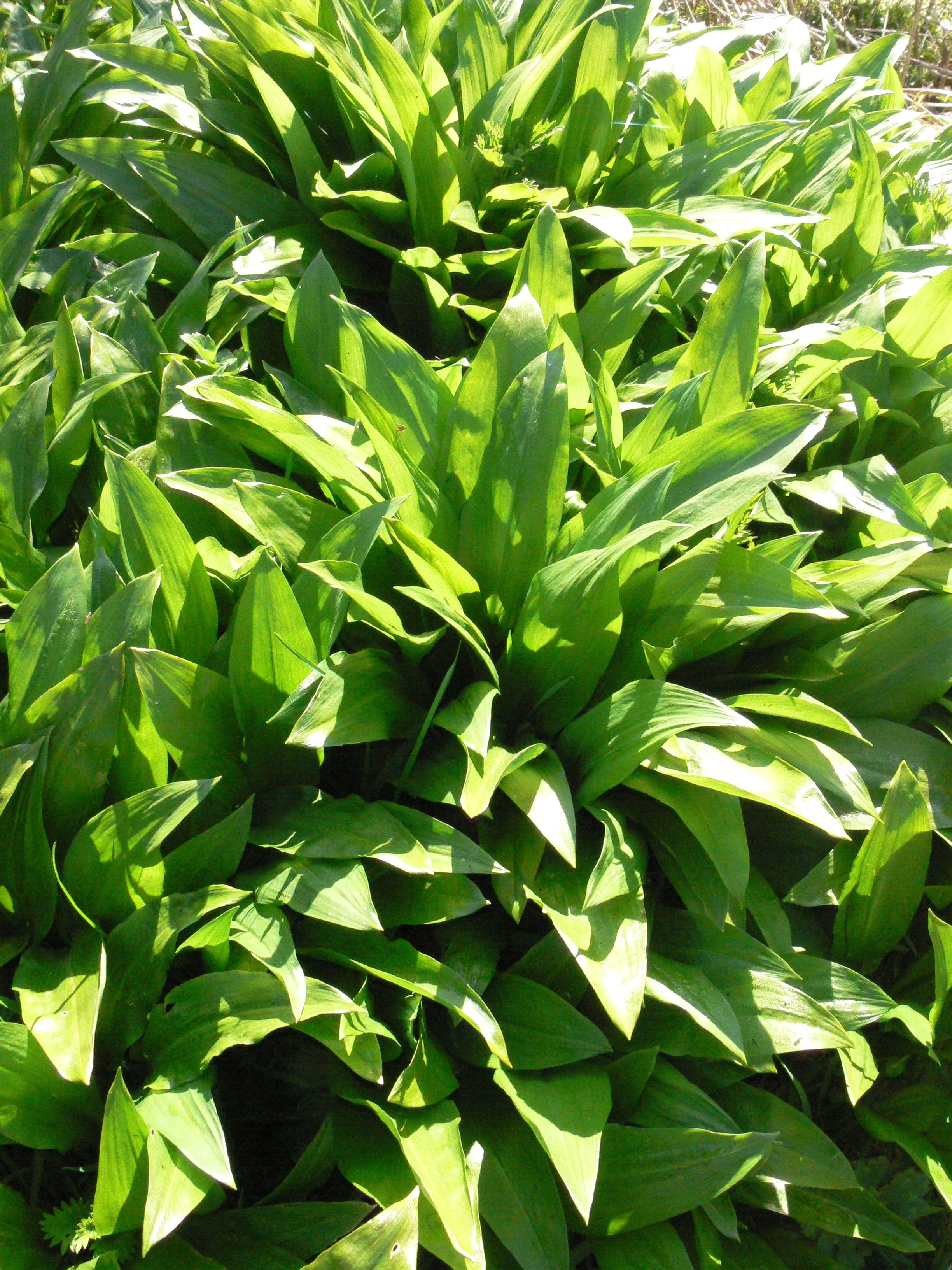
Wild garlic is a delicious, mild-tasting, member of the allium family found in damp woodland
(Picture: Author’s own)
From a culinary point of view this is misleading, however, for if the smell is instantly recognisable, the taste is much milder than the papery white bulbs that dominate modern cookery. Ramsoms’ delicate flavour should not put off true garlic addicts, however. Treat it instead as a chive or spring onion substitute, where the subtler taste perfectly complements with the gentle qualities of salads, eggs or cheese. It is wonderful chopped into fresh green salads or used to flavour mayonnaise, a crème fraiche dip or used instead of basil in a pesto. It also works well with potatoes – try shreds stirred into mash to make an unusual champ or mixed with mash, egg and flour to make aromatic potato cakes.
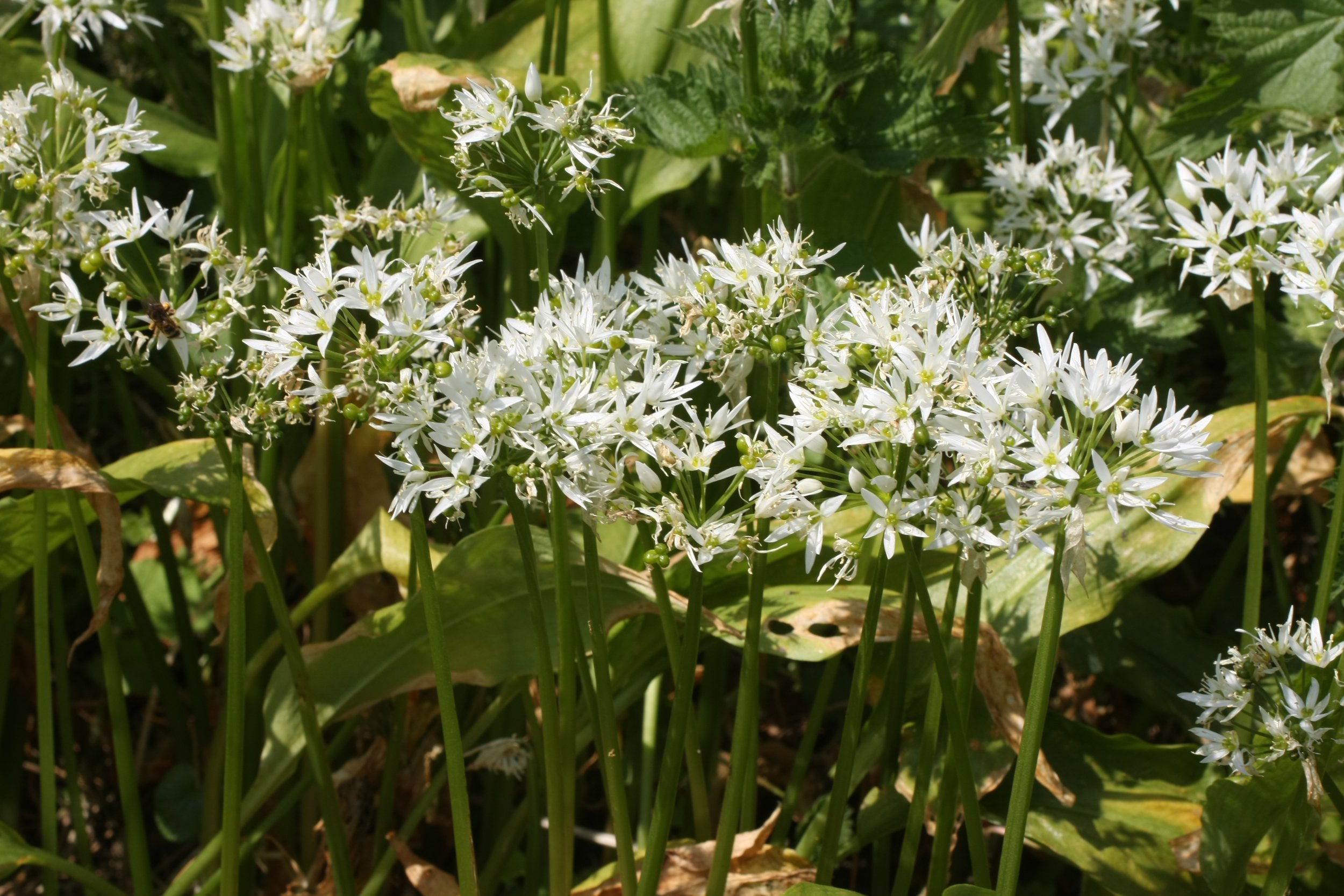
The delicate flowers are also edible - and later the seed pods can be pickled
(Picture: Author’s own)
Ramsoms are at their best when young – although the white flowers are also edible and the seed pods can be pickled as a caper substitute. The best way to preserve the young leaves is either to freeze them (although this destroys the texture, meaning they are only suitable for cooking after this); or make wild garlic salt. Make this by mixing the leaves with an equal weight of coarse sea salt and briefly blitz in a food processor to make a pesto. Then dry over a very gentle heat with plenty of air circulation. When nice and crunchy, blitz briefly again and put into a salt mill – delicious ground onto cream cheese on toast.